
September 14, 2026
Boxes, Bottles, Cans and More: What Your Recycling Gets Turned Into
Blog
If you currently have recycling, you might toss everyday items like shampoo bottles, milk jugs, soda cans, cereal boxes and glass bottles into a bin without giving them a second thought. But they don’t disappear when the collection truck drives away.
When recycled correctly, your old items can be turned into new products and packaging. That means checking what’s accepted in your local program, giving recyclables a quick rinse when needed and keeping your recycling cart or container lid closed to prevent litter. Let’s take a quick look at what happens after your recycling leaves the curb and how Colorado’s most common recyclables get a second life.
Beyond the Recycling Bin
Whether you place mixed recyclables in a curbside cart, a shared recycling container or separate materials at a drop-off center, the next stop is usually a sorting facility. These facilities are often called material recovery facilities, or MRFs (rhymes with “Smurf”). In some rural areas, recyclables may first be collected at a transfer center before being transported to a MRF.
The MRF sorts recyclables into large bales (think haybale) of similar materials, such as cardboard, aluminum cans and plastic bottles. Those bales are shipped to mills and manufacturers, where they’re transformed into materials that can be used to make new things. And that’s where the magic happens: yesterday’s packaging becomes tomorrow’s products.
Common Second Lives for Cardboard
That shipping box from your latest online order has a good chance of becoming another cardboard box. (Pro tip: before recycling, reuse that box as much as you can, for storage or shipping holiday gifts to grandma.) After cardboard is collected, the fibers are recovered and turned into new cardboard boxes, paperboard packaging (like cereal and cracker boxes) and even paper egg cartons.
Paper: More Than Just Paper
Old newspapers, mail and office paper don’t usually stay paper for long. The fibers can be used to make products like recycled paper, paper towels, tissues and cardboard packaging. Every time paper is recycled, the fibers get a little shorter, but they can often be reused several times before reaching the end of their useful life.
Aluminum Cans: Back on the Shelf
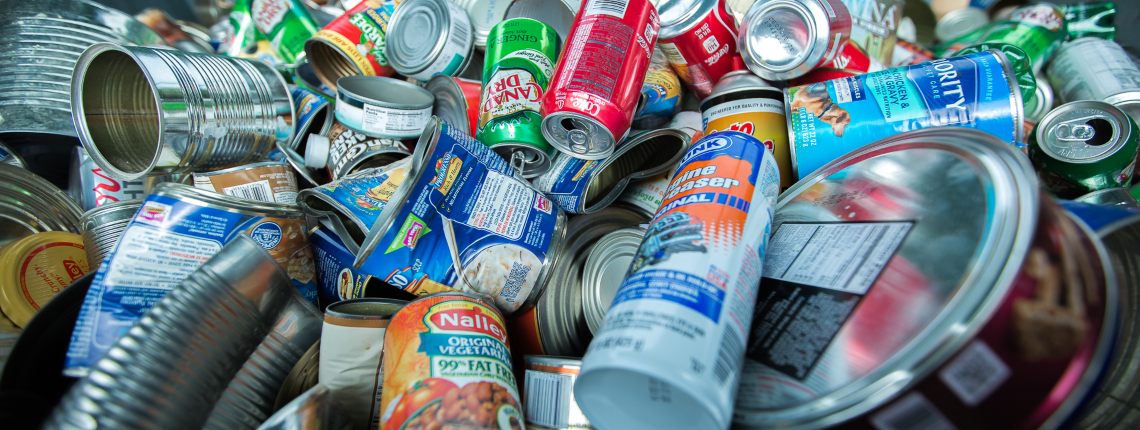
Unlike many materials, aluminum cans be recycled infinitely without losing quality. That means today’s sparkling water can may become another beverage can in the future. U.S. government research shows that recycling aluminum uses far less energy than making new aluminum from raw materials.
Glass: The Material That Never Wears Out
Like aluminum, glass can be recycled over and over (and over) again without losing quality. Once collected, glass is cleaned, crushed, melted and formed into new glass. That’s why glass is often considered one of the most circular packaging materials available.
Plastic Bottles: More Than One Possibility
Plastic water and soda bottles can have several different futures. Some are recycled into new bottles and containers. Others are transformed into polyester fibers that are used in products ranging from clothing to safety vests to carpeting. Plastics come in many different forms, and they can be recycled into a wide range of new products. To ensure your plastics and other recyclables can be turned into something new, recycle only the items accepted in your local program.
When we recycle the right items the right way, valuable materials stay in circulation, and out of landfills, supporting a stronger recycling system and material circularity. And when we give everyday items a second, third or fourth life, we make better use of the resources we already have and we preserve more of the natural places that make Colorado such a special place to live and explore.
Subscribe the the quarterly Colorado newsletter for recycling tips, tricks and updates on how recycling is changing in Colorado.