

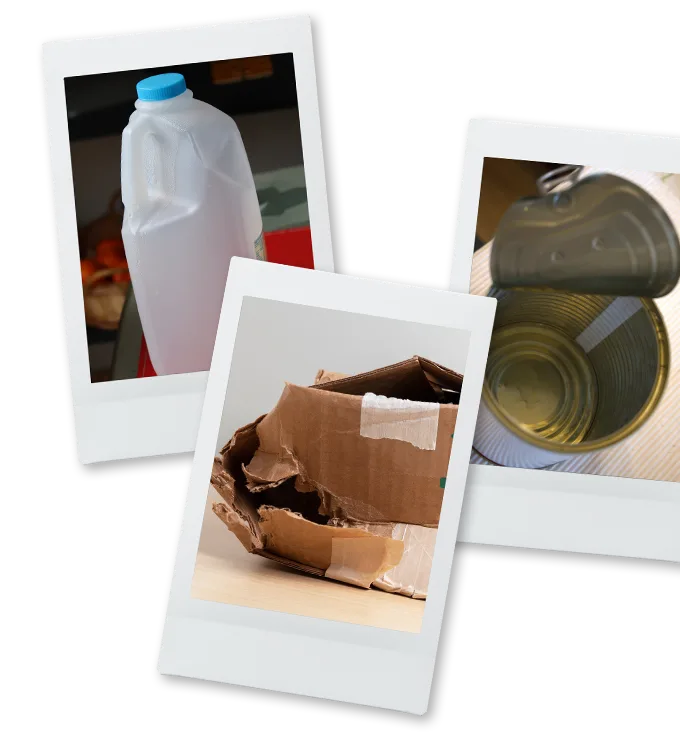
Where does our recycling go?
When you recycle, your items don’t just disappear… they come back as something new.
And Oregon’s modernized recycling system makes the process even more transparent and accountable, ensuring materials live a second life.
That’s recycling our way.
It’s pretty exciting, let’s dig into it.
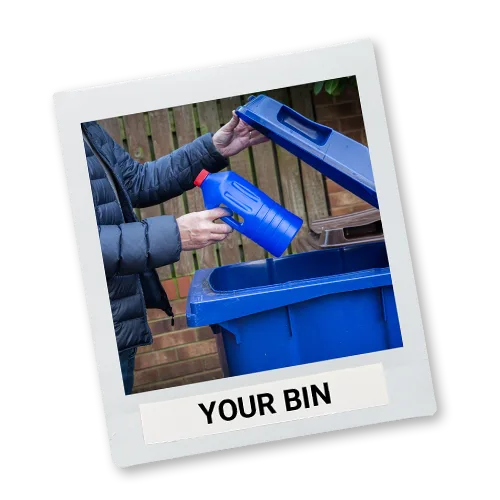
Stage 1: Your Bin
It starts with what goes in the bin.
Recycling right helps make the system work.
- Put accepted items loose in your bin, and keep plastic bags out.
- Make sure recyclables are empty and dry.
- Items not accepted in the bin may be accepted at a RecycleOn Center, including plastic bags, plastic lids, plastic buckets, shredded paper and aluminum foil.
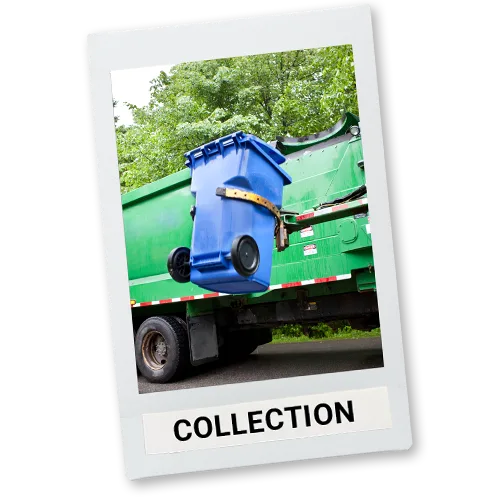
Stage 2: Collection
Off to the sorting facility.
Recycling service providers collect your materials and keep things moving.
- Recycling is collected from homes, multi-family residences and businesses.
- Materials may go directly to a sorting facility or stop at a reload or transfer station first.
- Since July 2025, Oregon sorting facilities reported receiving over 295,000 tons of recyclables from all 36 counties.
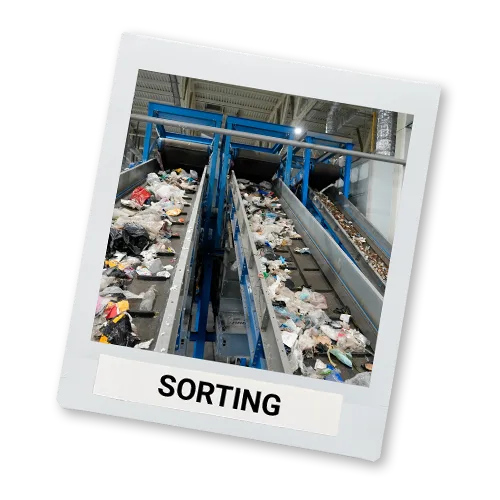
Stage 3: Sorting
Recyclables go their separate ways.
At sorting facilities, recyclables like paper, plastic, and metal are separated so each material can move on to its next use. Since July 2025, over $30 million has been invested to modernize recycling sorting facilities in Oregon.
- High-tech equipment and workers separate materials.
- Non-recyclables and items not empty and dry are removed.
- Materials are baled and prepared for transport to the next stage.
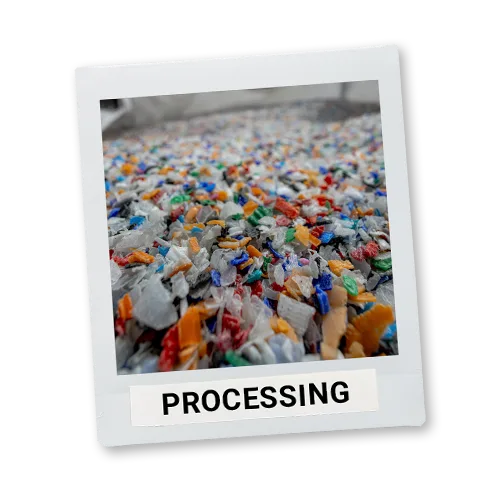
Stage 4: Processing
Becoming new raw materials.
Sorted materials now head to recyclers, processors, brokers or manufacturers.
- Oregon’s new recycling system is adding more transparency, so we know where materials go.
- From July to December 2025, over 95% of sorted materials went to Responsible End Markets—facilities that process recyclables safely, transparently, and responsibly into new products.
- In 2026, Oregon started independent third-party verifications of Responsible End Markets.
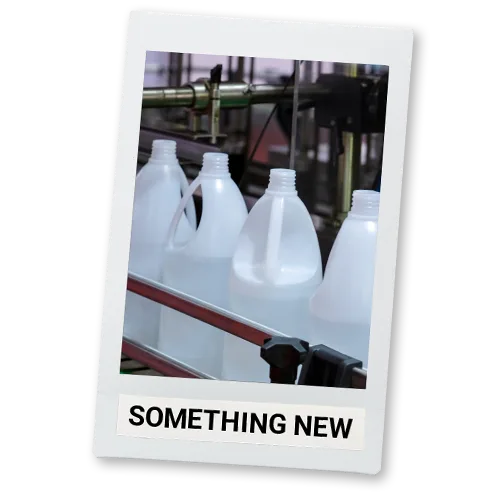
Stage 5: Something New
Recycled materials get a new life.
Processed recyclable materials are now ready to be used to make new products.
- Cardboard and paper: Fibers are recovered and used to make new paper and cardboard packaging, such as shipping boxes.
- Plastics: Recycled plastics are used to make decking, outdoor furniture, new containers, clothing, carpet, and a lot of other new products.
- Steel and Aluminum: Metals are recovered and used to make things like new beverage cans (in as little as 60 days!), car parts and frames, foil, and construction products.

This is Recycling Our Way.

Over 95%
of sorted recyclables went to responsible places to be made into something new.
(July – Dec 2025)

85%
of Oregon’s Responsible End Markets are in North America.
What can I do to help our recycling get even better?
Oregon’s new system creates more accountability for what happens after collection. But what goes into the system still matters. Putting the right recyclables in your bin helps sorting facilities create cleaner, more valuable material that can continue its recycling journey.