Composting
in Colorado
Food scraps, yard waste and some compostable products can be composted, instead of going to the landfill. Composting turns everyday leftovers into something useful: building healthier soil, reducing waste and supporting communities across Colorado.
RecycleOn Colorado is here to share clear information about composting: why it matters and how it varies by community.


Why Composting Matters
When food scraps and yard waste are composted instead of
landfilled, Colorado communities see benefits you can count on.
Less waste in landfills
Food and yard waste make up a large portion of what we throw away – composting extends the life of local landfills.
Healthier soil and stronger plants
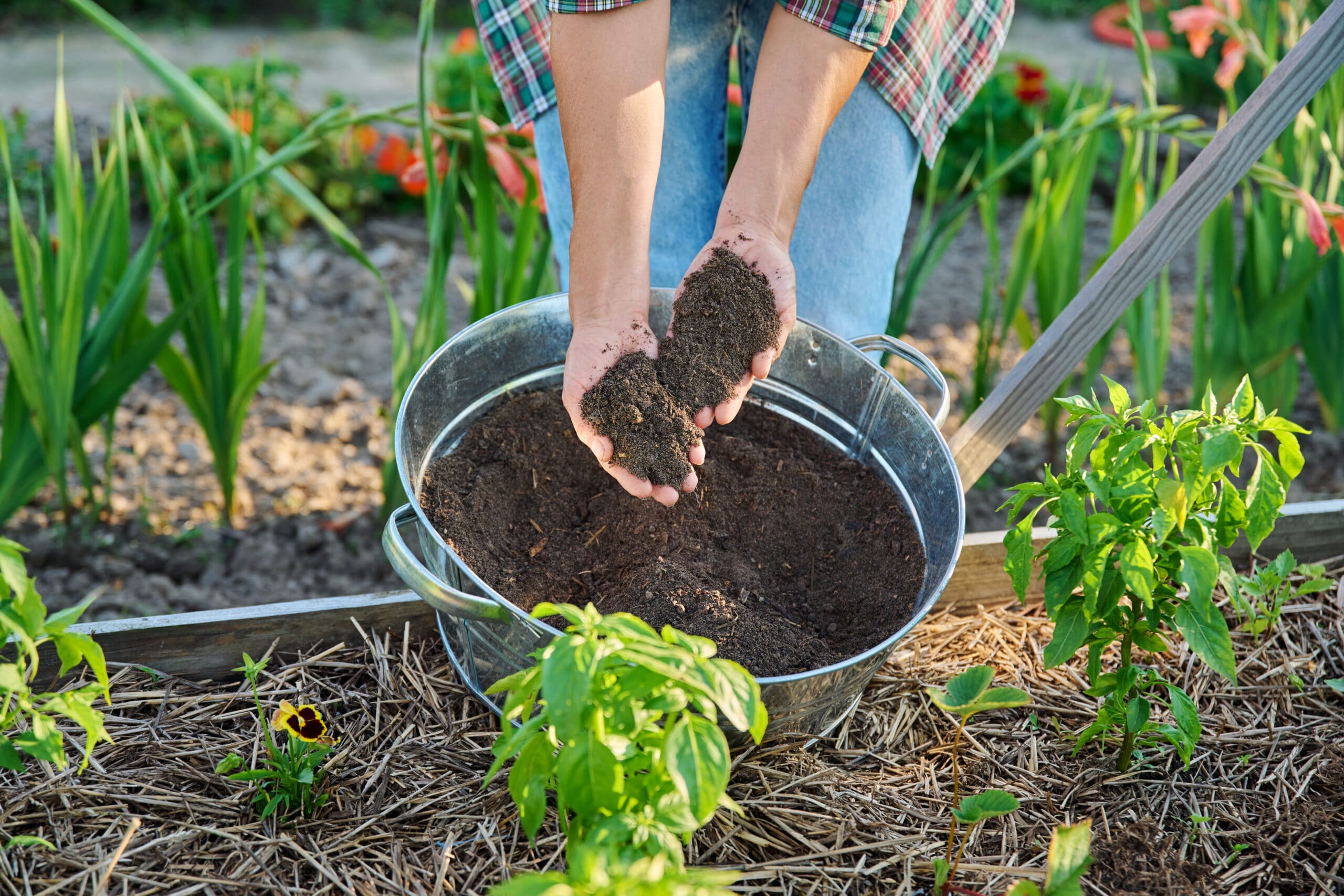
Finished compost helps reduce water use in gardens, yards, farms and parks, while supporting stronger plants.
Cleaner communities, local benefits
By diverting food and yard waste from landfills, composting reduces pollution and uses valuable resources locally.
Composting in Colorado
Your Composting Options
Vary Across the State
What materials are accepted — including whether compostable packaging is allowed — depends on local programs.
It’s important to check locally and follow guidance specific to your community.
Where you can compost today:
Some communities offer curbside composting for food scraps and yard waste as part of local collection programs.
Drop‑off sites or community compost programs may be available in certain areas.
Businesses, schools, and events may have different composting options than nearby households.
Composting 101
Unaccepted items, or contamination, in compost is a real challenge for communities and facilities, especially when materials that don’t belong end up in compost systems.

How does it work?
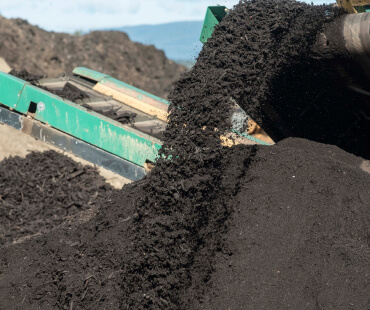
Composting is the process of turning food scraps, yard waste and certain compostable products into finished compost.
How to do it right:
Check your local community. Not everything labeled “compostable” belongs in every program.
What IS finished compost, anyway?
Compost is a soil amendment that helps retain moisture, so less water is needed on landscapes, and less waste ends up in landfills.
Local Compost, Local Benefits:
Buying compost made locally supports businesses in your community and works well in Colorado soils.
How Compost Fits into Colorado’s EPR Program
Colorado’s Extended Producer Responsibility (EPR) law is focused on improving recycling statewide. Composting is included through education — helping people understand how organic materials are managed, why composting matters, and how to avoid contamination.
Composting options depend on local programs and facilities and are not the same as recycling service under EPR. What you can count on is clear, consistent information as Colorado’s system continues to take shape.