
Plastic Buckets & Pails
Empty, dry and
nothing hazardous.
Plastic buckets and pails are accepted at RecycleOn Centers — lids snapped on, labels can stay. Just never anything that held hazardous materials.
Rule of Thumb
-
Empty & dry Not wet, sticky or partially full
-
Never held hazardous materials No motor oil, pesticides or chemicals
-
Lids snapped on, labels on Both are fine to leave in place
Bring it in
Keep it out
Sorting, at a Glance
What Goes In, What Stays Out
What the bucket held matters more than the bucket itself. When its history is unknown, leave it out.
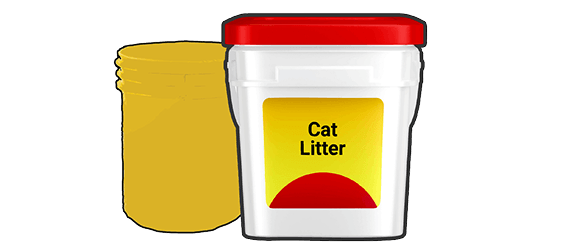
Yes – bring these in
- Food-grade buckets (pickles, frosting, bulk foods)
- Cat litter buckets
- Laundry detergent buckets
- Paint buckets (Only if completely empty and the paint was water-based.)
- Household storage buckets and pails
- Empty buckets from hardware or garden stores
- Lids snapped onto their buckets
No – keep these out
- Buckets that held motor oil, antifreeze or automotive fluids
- Buckets that held pesticides or herbicides
- Anything flammable, corrosive, reactive or toxic
- Containers with unknown or unlabeled residue
- Metal buckets or pails
- Rubber, foam or fabric buckets
- Buckets still wet, sticky or partially full
Frequently Asked Questions
More detail on why these rules exist, what happens to your recycling and how the law defines accepted materials.
Why bring buckets here if my curbside cart accepts them?
Buckets and pails ARE accepted in recycling carts at home and work. However, if your cart fills up quickly, recycling them at a RecycleOn Center frees up space in your cart for other recyclables.
Do I need to remove the label?
Nope!
Can I include the lid?
Yep! Keep the slides attached.
What about paint buckets?
Return paint buckets with paint still in them to a PaintCare drop-off location. If the bucket is completely empty, you can recycle it at a RecycleOn Center or in your curbside recycling.
What if I don't know what a bucket held?
When in doubt, throw it out. Unknown chemicals can harm the recycling system.
What happens after I drop it off?
After collection, these plastics are sent to recycling facilities where they are shredded, washed and made into pellets, which are used to make other products such as new non-food-grade containers, flower pots, drainage pipes, bins or crates, and car parts.
What does the law say?
Looking to learn more about exactly what is recyclable? Below is how the law defines these materials.
Items that meet the following guidelines are accepted at RecycleOn Centers. “Plastic buckets and pails made of high-density polyethylene (HDPE #2) or polypropylene (PP #5) and the lids of such items, but excluding such items if used to contain or store motor oil, antifreeze, or other automotive fluids, pesticides or herbicides, or other hazardous materials (flammable, corrosive, reactive, toxic).”